Buy celko.eu ?
We are moving the project
celko.eu .
Are you interested in purchasing the domain
celko.eu ?
domain@kv-gmbh.de · 0541-91531010
Buy celko.eu ?
How can one read data from an SQL database in reverse order?
To read data from an SQL database in reverse order, you can use the `ORDER BY` clause in your SQL query. By specifying the column you want to sort by in descending order using `DESC`, you can retrieve the data in reverse order. For example, if you want to read data from a table named `table_name` in reverse order based on a column named `column_name`, you can use the query: `SELECT * FROM table_name ORDER BY column_name DESC;`. This will return the data from the table sorted in reverse order based on the specified column. **
How can one read data from an XML file into the database using Oracle PL/SQL?
To read data from an XML file into a database using Oracle PL/SQL, you can use the `DBMS_XMLSTORE` package. This package provides procedures to parse and load XML data into database tables. You can use the `DBMS_XMLSTORE` package to extract data from the XML file and insert it into the database tables. Additionally, you can use the `XMLType` data type in Oracle to store and manipulate XML data within the database. By utilizing these tools and packages, you can effectively read data from an XML file into the database using Oracle PL/SQL. **

Similar search terms for Read
Top-Angebote
Products related to Read:
-
Must-Read Biographies: STEMKatherine Johnson, Shigeru Miyamoto, Temple Grandin, Benjamin Banneker... These people's stories, along with those of other notable figures in this set, will fascinate students who are interested in science, technology, engineering, and math....25,49 $*Shipping: 0,00 $Secure redirect to the provider
-
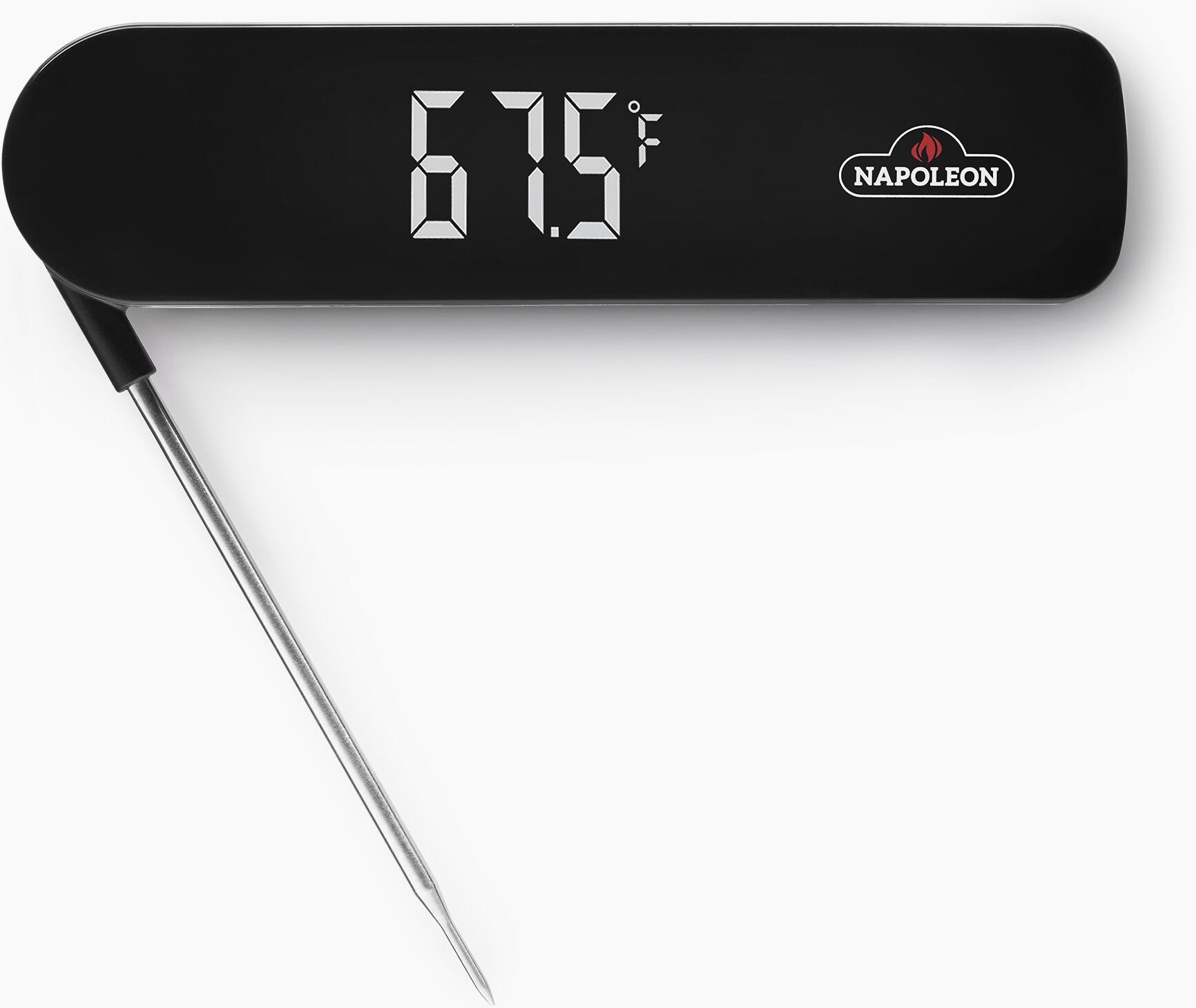
KitchenAid Digital Read Instant ThermometerInstantly read the internal temperature of foods with the KitchenAid Digital Instant Read Thermometer. This feature-packed digital thermometer includes a backlit LCD readout that displays the temperature boldly and clearly. Temperature readings are obtained in less than 6 seconds, while a unique 'hold' feature locks in the last recorded temperature, displaying it on screen after the thermometer is removed from the food. The ultra-thin tip is supplied with handy pocket/storage sleeve to protect the probe during storage. A conversion button swaps between Celsius and Fahrenheit readings with a range of -40 to +250°C (-40 to +482°F). Clean by wiping with a damp cloth and then drying thoroughly. Requires 1x CR2032 (3V) battery (not included). The KitchenAid Digital Instant Read Thermometer is supplied with a 1 year manufacturer's warranty.25,59 £*Shipping: 3,50 £Secure redirect to the provider
-
Must-Read Biographies: Arts & SportsFrida Kahlo, Lin Manuel Miranda, Billie Jean King, Shohei Ohtani... These are just some of the outstanding artists and sports figures whose life stories are sure to captivate students. Engaging short texts detail their diverse backgrounds, the...25,49 $*Shipping: 0,00 $Secure redirect to the provider
-
Must-Read Biographies: Change MakersGreta Thunberg, Sitting Bull, Sojourner Truth, Barack Obama... Students will be fascinated by these people's stories, as well as those of the other notable figures in this set. Engaging short texts detail their diverse backgrounds, the challenges...25,49 $*Shipping: 0,00 $Secure redirect to the provider




-
What is the SQL query for the Terra database?
The SQL query for the Terra database will depend on the specific task or information you are trying to retrieve. However, a basic SQL query to retrieve all data from a table in the Terra database would look like this: ```sql SELECT * FROM table_name; ``` Replace "table_name" with the actual name of the table you want to retrieve data from. If you want to retrieve specific columns or apply filters, you can modify the query accordingly using the SELECT and WHERE clauses. **
-
What is the SQL query for a SQLite database?
The SQL query for a SQLite database is similar to other SQL databases. Here is an example of a simple SQL query for a SQLite database: ``` SELECT * FROM table_name; ``` This query selects all columns from the specified table in the database. Other common SQL queries for SQLite include INSERT, UPDATE, DELETE, and CREATE TABLE. **
-
What is database normalization?
Database normalization is the process of organizing data in a database in a way that reduces redundancy and dependency. It involves breaking down a database into smaller, more manageable tables and defining relationships between them. The goal of normalization is to minimize data redundancy, improve data integrity, and make the database more efficient. There are different levels of normalization, known as normal forms, with each level addressing specific issues related to data organization. **
-
How do you read data from the database and perform actions?
To read data from a database and perform actions, you can use a programming language such as SQL, Python, or Java to connect to the database using appropriate libraries or modules. Once connected, you can write queries to retrieve the data you need from the database. After retrieving the data, you can perform various actions on it, such as processing, analyzing, or displaying it based on your requirements. It's important to ensure that you have the necessary permissions and access rights to read and perform actions on the database. **


How do I read this query?
To read a query, start by understanding the question being asked. Identify the key components such as the subject, action, and any specific criteria mentioned. Break down the query into smaller parts to comprehend the meaning of each element. Pay attention to any keywords or phrases that indicate what information is being sought. Finally, consider the context in which the query is being asked to provide a relevant and accurate response. **
How can I connect to a database and read data in C?
To connect to a database and read data in C, you can use the SQLite library, which provides a lightweight, embedded SQL database engine. First, you need to include the SQLite header file in your C program. Then, you can use the SQLite API functions to open a connection to the database, prepare a SQL statement to read data, and execute the statement to retrieve the data. Finally, you can process the retrieved data using the appropriate functions provided by the SQLite library. **
Top-Angebote
Products related to Read:
-
Instant Read Digital Waterproof Meat Thermometer Instant Read Digital Waterproof Meat ThermometerTake the guesswork out of grilling and baking with the Instant Read Digital Waterproof Meat Thermometer. Designed for the home chef who demands precision, this tool features a highsensitivity stainless steel probe that delivers accurate temperature...49,97 $*Shipping: 0,00 $Secure redirect to the provider
-
Must-Read Biographies: STEMKatherine Johnson, Shigeru Miyamoto, Temple Grandin, Benjamin Banneker... These people's stories, along with those of other notable figures in this set, will fascinate students who are interested in science, technology, engineering, and math....25,49 $*Shipping: 0,00 $Secure redirect to the provider
-
KitchenAid Digital Read Instant ThermometerInstantly read the internal temperature of foods with the KitchenAid Digital Instant Read Thermometer. This feature-packed digital thermometer includes a backlit LCD readout that displays the temperature boldly and clearly. Temperature readings are obtained in less than 6 seconds, while a unique 'hold' feature locks in the last recorded temperature, displaying it on screen after the thermometer is removed from the food. The ultra-thin tip is supplied with handy pocket/storage sleeve to protect the probe during storage. A conversion button swaps between Celsius and Fahrenheit readings with a range of -40 to +250°C (-40 to +482°F). Clean by wiping with a damp cloth and then drying thoroughly. Requires 1x CR2032 (3V) battery (not included). The KitchenAid Digital Instant Read Thermometer is supplied with a 1 year manufacturer's warranty.25,59 £*Shipping: 3,50 £Secure redirect to the provider
-
How can one read data from an SQL database in reverse order?
To read data from an SQL database in reverse order, you can use the `ORDER BY` clause in your SQL query. By specifying the column you want to sort by in descending order using `DESC`, you can retrieve the data in reverse order. For example, if you want to read data from a table named `table_name` in reverse order based on a column named `column_name`, you can use the query: `SELECT * FROM table_name ORDER BY column_name DESC;`. This will return the data from the table sorted in reverse order based on the specified column. **
-
How can one read data from an XML file into the database using Oracle PL/SQL?
To read data from an XML file into a database using Oracle PL/SQL, you can use the `DBMS_XMLSTORE` package. This package provides procedures to parse and load XML data into database tables. You can use the `DBMS_XMLSTORE` package to extract data from the XML file and insert it into the database tables. Additionally, you can use the `XMLType` data type in Oracle to store and manipulate XML data within the database. By utilizing these tools and packages, you can effectively read data from an XML file into the database using Oracle PL/SQL. **
-
What is the SQL query for the Terra database?
The SQL query for the Terra database will depend on the specific task or information you are trying to retrieve. However, a basic SQL query to retrieve all data from a table in the Terra database would look like this: ```sql SELECT * FROM table_name; ``` Replace "table_name" with the actual name of the table you want to retrieve data from. If you want to retrieve specific columns or apply filters, you can modify the query accordingly using the SELECT and WHERE clauses. **
-
What is the SQL query for a SQLite database?
The SQL query for a SQLite database is similar to other SQL databases. Here is an example of a simple SQL query for a SQLite database: ``` SELECT * FROM table_name; ``` This query selects all columns from the specified table in the database. Other common SQL queries for SQLite include INSERT, UPDATE, DELETE, and CREATE TABLE. **
Similar search terms for Read
-
Must-Read Biographies: Arts & SportsFrida Kahlo, Lin Manuel Miranda, Billie Jean King, Shohei Ohtani... These are just some of the outstanding artists and sports figures whose life stories are sure to captivate students. Engaging short texts detail their diverse backgrounds, the...25,49 $*Shipping: 0,00 $Secure redirect to the provider
-
Must-Read Biographies: Change MakersGreta Thunberg, Sitting Bull, Sojourner Truth, Barack Obama... Students will be fascinated by these people's stories, as well as those of the other notable figures in this set. Engaging short texts detail their diverse backgrounds, the challenges...25,49 $*Shipping: 0,00 $Secure redirect to the provider
-
Instant Read Oven Thermometer For Baking And Grilling Instant Read Oven Thermometer For Baking And GrillingProduct Description: Achieve perfect cooking results every time with this instant read oven thermometer. Designed for accuracy and ease, it helps you monitor temperature in ovens, grills, and smokersensuring your meals are cooked just right....40,97 $*Shipping: 0,00 $Secure redirect to the provider
-
Instant Read Digital Meat Thermometer With Backlit Probe Instant Read Digital Meat Thermometer With Backlit ProbeCook with confidence, not guesswork. This instant read meat thermometer helps you check meat, liquids, milk, oil, and oven temperatures quickly with a clear backlit display. Designed for home cooks, grill lovers, and bakers, it makes everyday...45,97 $*Shipping: 0,00 $Secure redirect to the provider
-
What is database normalization?
Database normalization is the process of organizing data in a database in a way that reduces redundancy and dependency. It involves breaking down a database into smaller, more manageable tables and defining relationships between them. The goal of normalization is to minimize data redundancy, improve data integrity, and make the database more efficient. There are different levels of normalization, known as normal forms, with each level addressing specific issues related to data organization. **
-
How do you read data from the database and perform actions?
To read data from a database and perform actions, you can use a programming language such as SQL, Python, or Java to connect to the database using appropriate libraries or modules. Once connected, you can write queries to retrieve the data you need from the database. After retrieving the data, you can perform various actions on it, such as processing, analyzing, or displaying it based on your requirements. It's important to ensure that you have the necessary permissions and access rights to read and perform actions on the database. **
-
How do I read this query?
To read a query, start by understanding the question being asked. Identify the key components such as the subject, action, and any specific criteria mentioned. Break down the query into smaller parts to comprehend the meaning of each element. Pay attention to any keywords or phrases that indicate what information is being sought. Finally, consider the context in which the query is being asked to provide a relevant and accurate response. **
-
How can I connect to a database and read data in C?
To connect to a database and read data in C, you can use the SQLite library, which provides a lightweight, embedded SQL database engine. First, you need to include the SQLite header file in your C program. Then, you can use the SQLite API functions to open a connection to the database, prepare a SQL statement to read data, and execute the statement to retrieve the data. Finally, you can process the retrieved data using the appropriate functions provided by the SQLite library. **
* All prices are inclusive of VAT and, if applicable, plus shipping costs. The offer information is based on the details provided by the respective shop and is updated through automated processes. Real-time updates do not occur, so deviations can occur in individual cases. ** Note: Parts of this content were created by AI.