Buy celko.eu ?
We are moving the project
celko.eu .
Are you interested in purchasing the domain
celko.eu ?
domain@kv-gmbh.de · 0541-91531010
Buy celko.eu ?
What is the SQL query for a SQLite database?
The SQL query for a SQLite database is similar to other SQL databases. Here is an example of a simple SQL query for a SQLite database: ``` SELECT * FROM table_name; ``` This query selects all columns from the specified table in the database. Other common SQL queries for SQLite include INSERT, UPDATE, DELETE, and CREATE TABLE. **
What does the modulus of elasticity indicate?
The modulus of elasticity indicates the stiffness or rigidity of a material. It measures the material's ability to deform under stress and return to its original shape once the stress is removed. A higher modulus of elasticity means the material is more rigid and less deformable, while a lower modulus indicates greater flexibility and deformability. This property is important in engineering and materials science as it helps determine how a material will behave under different types of loading conditions. **

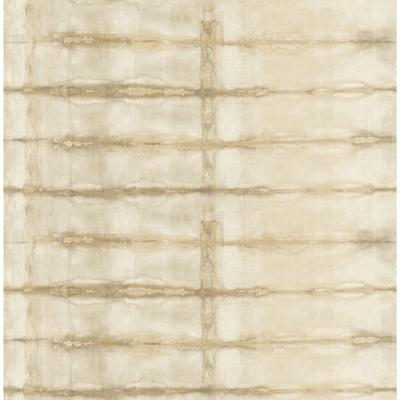
Similar search terms for A-Street-Prints-Modulus-Beige
Top-Angebote
Products related to A-Street-Prints-Modulus-Beige:
-
A-Street Prints Folia Beige Floral WallpaperA rustic take on a classic floral pattern, this botanical print has lovingly weathered accents. Its light beige nature inspired print effortlessly complements a crisp white background. Folia is an unpasted, non woven wallpaper.118,99 $*Shipping: 0,00 $Secure redirect to the provider




-
What is the SQL query for the Terra database?
The SQL query for the Terra database will depend on the specific task or information you are trying to retrieve. However, a basic SQL query to retrieve all data from a table in the Terra database would look like this: ```sql SELECT * FROM table_name; ``` Replace "table_name" with the actual name of the table you want to retrieve data from. If you want to retrieve specific columns or apply filters, you can modify the query accordingly using the SELECT and WHERE clauses. **
-
What is database normalization?
Database normalization is the process of organizing data in a database in a way that reduces redundancy and dependency. It involves breaking down a database into smaller, more manageable tables and defining relationships between them. The goal of normalization is to minimize data redundancy, improve data integrity, and make the database more efficient. There are different levels of normalization, known as normal forms, with each level addressing specific issues related to data organization. **
-
How do I insert data into a SQL database?
To insert data into a SQL database, you can use the SQL INSERT INTO statement. The basic syntax is: INSERT INTO table_name (column1, column2, column3, ...) VALUES (value1, value2, value3, ...); You need to specify the table name and the columns you want to insert data into, followed by the values you want to insert into those columns. Make sure the data types of the values match the data types of the columns in the table. Finally, execute the SQL query to insert the data into the database. **
-
What is the normalization of a database?
Normalization is the process of organizing data in a database to reduce redundancy and dependency. It involves breaking down a database into smaller, more manageable tables and establishing relationships between them. The goal of normalization is to minimize data duplication and ensure data integrity, making it easier to update and maintain the database. This process typically involves creating primary and foreign keys to link related tables and removing any repeating groups of data. **


What is the difference between photo prints from a printer and photo prints from a lab?
Photo prints from a printer are typically produced using a home or office printer, which may not have the same level of color accuracy and quality as prints from a professional lab. Prints from a lab are typically produced using higher quality equipment and materials, resulting in better color accuracy, sharpness, and longevity. Additionally, prints from a lab may offer a wider range of paper types and finishes to choose from, allowing for more customization and personalization. Overall, prints from a lab are often considered to be of higher quality and more professional-looking than those from a printer. **
What does the modulus of elasticity (E-Modul) indicate?
The modulus of elasticity, also known as the E-Modul, indicates the stiffness or rigidity of a material. It quantifies how much a material will deform under a given amount of stress. A higher modulus of elasticity means that a material is more rigid and will deform less under stress, while a lower modulus of elasticity indicates that a material is more flexible and will deform more under stress. The modulus of elasticity is an important property to consider when designing structures or selecting materials for specific applications. **
Top-Angebote
Products related to A-Street-Prints-Modulus-Beige:
-
What is the SQL query for a SQLite database?
The SQL query for a SQLite database is similar to other SQL databases. Here is an example of a simple SQL query for a SQLite database: ``` SELECT * FROM table_name; ``` This query selects all columns from the specified table in the database. Other common SQL queries for SQLite include INSERT, UPDATE, DELETE, and CREATE TABLE. **
-
What does the modulus of elasticity indicate?
The modulus of elasticity indicates the stiffness or rigidity of a material. It measures the material's ability to deform under stress and return to its original shape once the stress is removed. A higher modulus of elasticity means the material is more rigid and less deformable, while a lower modulus indicates greater flexibility and deformability. This property is important in engineering and materials science as it helps determine how a material will behave under different types of loading conditions. **
-
What is the SQL query for the Terra database?
The SQL query for the Terra database will depend on the specific task or information you are trying to retrieve. However, a basic SQL query to retrieve all data from a table in the Terra database would look like this: ```sql SELECT * FROM table_name; ``` Replace "table_name" with the actual name of the table you want to retrieve data from. If you want to retrieve specific columns or apply filters, you can modify the query accordingly using the SELECT and WHERE clauses. **
-
What is database normalization?
Database normalization is the process of organizing data in a database in a way that reduces redundancy and dependency. It involves breaking down a database into smaller, more manageable tables and defining relationships between them. The goal of normalization is to minimize data redundancy, improve data integrity, and make the database more efficient. There are different levels of normalization, known as normal forms, with each level addressing specific issues related to data organization. **
Similar search terms for A-Street-Prints-Modulus-Beige
-
A-Street Prints Folia Beige Floral WallpaperA rustic take on a classic floral pattern, this botanical print has lovingly weathered accents. Its light beige nature inspired print effortlessly complements a crisp white background. Folia is an unpasted, non woven wallpaper.118,99 $*Shipping: 0,00 $Secure redirect to the provider
-
A-Street Prints Addis Beige Trellis WallpaperA classic trellis wallpaper is elevated with unexpected detailing. The geometric structure is formed from linework colored a variety of beige and neutral hues, the dimensional frame offset by crisp white. Addis is an unpasted, non woven wallpaper.120,00 $*Shipping: 0,00 $Secure redirect to the provider
-
How do I insert data into a SQL database?
To insert data into a SQL database, you can use the SQL INSERT INTO statement. The basic syntax is: INSERT INTO table_name (column1, column2, column3, ...) VALUES (value1, value2, value3, ...); You need to specify the table name and the columns you want to insert data into, followed by the values you want to insert into those columns. Make sure the data types of the values match the data types of the columns in the table. Finally, execute the SQL query to insert the data into the database. **
-
What is the normalization of a database?
Normalization is the process of organizing data in a database to reduce redundancy and dependency. It involves breaking down a database into smaller, more manageable tables and establishing relationships between them. The goal of normalization is to minimize data duplication and ensure data integrity, making it easier to update and maintain the database. This process typically involves creating primary and foreign keys to link related tables and removing any repeating groups of data. **
-
What is the difference between photo prints from a printer and photo prints from a lab?
Photo prints from a printer are typically produced using a home or office printer, which may not have the same level of color accuracy and quality as prints from a professional lab. Prints from a lab are typically produced using higher quality equipment and materials, resulting in better color accuracy, sharpness, and longevity. Additionally, prints from a lab may offer a wider range of paper types and finishes to choose from, allowing for more customization and personalization. Overall, prints from a lab are often considered to be of higher quality and more professional-looking than those from a printer. **
-
What does the modulus of elasticity (E-Modul) indicate?
The modulus of elasticity, also known as the E-Modul, indicates the stiffness or rigidity of a material. It quantifies how much a material will deform under a given amount of stress. A higher modulus of elasticity means that a material is more rigid and will deform less under stress, while a lower modulus of elasticity indicates that a material is more flexible and will deform more under stress. The modulus of elasticity is an important property to consider when designing structures or selecting materials for specific applications. **
* All prices are inclusive of VAT and, if applicable, plus shipping costs. The offer information is based on the details provided by the respective shop and is updated through automated processes. Real-time updates do not occur, so deviations can occur in individual cases. ** Note: Parts of this content were created by AI.