Buy celko.eu ?
We are moving the project
celko.eu .
Are you interested in purchasing the domain
celko.eu ?
domain@kv-gmbh.de · 0541-91531010
Buy celko.eu ?
What is the SQL query for the Terra database?
The SQL query for the Terra database will depend on the specific task or information you are trying to retrieve. However, a basic SQL query to retrieve all data from a table in the Terra database would look like this: ```sql SELECT * FROM table_name; ``` Replace "table_name" with the actual name of the table you want to retrieve data from. If you want to retrieve specific columns or apply filters, you can modify the query accordingly using the SELECT and WHERE clauses. **
What is the SQL query for a SQLite database?
The SQL query for a SQLite database is similar to other SQL databases. Here is an example of a simple SQL query for a SQLite database: ``` SELECT * FROM table_name; ``` This query selects all columns from the specified table in the database. Other common SQL queries for SQLite include INSERT, UPDATE, DELETE, and CREATE TABLE. **
Similar search terms for Tula-Free-to-Grow
Top-Angebote
Products related to Tula-Free-to-Grow:
-
BBC Books RHS How to Garden 3 Book Set – Perennial Plants, Grow Food for Free & Gardening Guide CollectionHow to Garden Perennial Garden Plants, RHS How To Garden (HB), Grow Food for Free (HB) 3 Books Collection Set Alan Titchmarsh How to Garden: Perennial Garden Plants Herbaceous perennials flower each year, dying down in the winter and springing back to life the following spring. They are central features in the landscape of a garden as they appear year-after-year and must be regarded as constant features. This book gives the expert view on the vast array of flowers available. Includes: creative garden ideas and border planting plans practical advice on care, maintenance and propagation illustrated A-Z profiles of recommended plants recommended plants for specific purposes, conditions and effects step-by-step illustrations showing essential techniques Alan Titchmarsh imparts a lifetime of expertise in these definitive guides for beginners and experienced gardeners. Step-by-step illustrations and easy-to-follow instructions guide you through the basic gardening skills and on to the advanced techniques, providing everything you need to create beautiful flower borders in your garden. RHS How To Garden When You're New To Gardening: The Basics For Absolute Beginners (Hardback) If the desire to start a garden has been planted in your heart, then this essential guide is a wonderful companion to accompany you on your new adventure! If you're not sure of the first steps to take, this handbook takes the anxiety out of plotting and planting and equips you with all the know-how and confidence you need to get digging into your garden. Creating a garden that you can enjoy and keep looking beautiful all year round is easier than you think!With the expertise of the Royal Horticultural Society, you'll find simple step-by-step instructions, with clear images to help you create your dream garden, no matter the size and scale. Get to know your garden and choose plants that will grow well in particular soil types and conditions year after year. From growing root crop to cutting back ivy, this book gives you lots of simple garden ideas and projects that you can do yourself. Even if you've never sowed a seed or pulled a weed, RHS How to Garden When You're New To Gardening contains everything you need to kickstart your new outdoor hobby! This refreshingly accessible book is perfect for the novice gardener who wants to make the most of whatever garden they have. Your Guide to Creating the Garden of Your Dreams Do you want to create a garden you can show off with pride? Would you like to grow your own food? This book will get you started quickly! By following the simple steps and projects outlined in this book, you will reap instant rewards and long-term successes so that you can enjoy your garden in all seasons. Inside the pages of this comprehensive gardening book, you'll discover: - Clear definitions and descriptions of the different types of plants. - Tips on choosing the type of garden you want. - Easy-to-follow instructions for choosing the right plants for your soil....14,99 £*Shipping: 2,99 £Secure redirect to the provider
-
Scholastic Professional Rooted in Strength: Using Translanguaging to Grow Multilingual Readers and WritersAdditionally, the authors present rich and thoughtful literacy practices that propel emergent bilinguals into reading and writing success. The core of this approach is honoring and leveraging the language and cultural resources emergent bilinguals...36,99 $*Shipping: 0,00 $Secure redirect to the provider
-
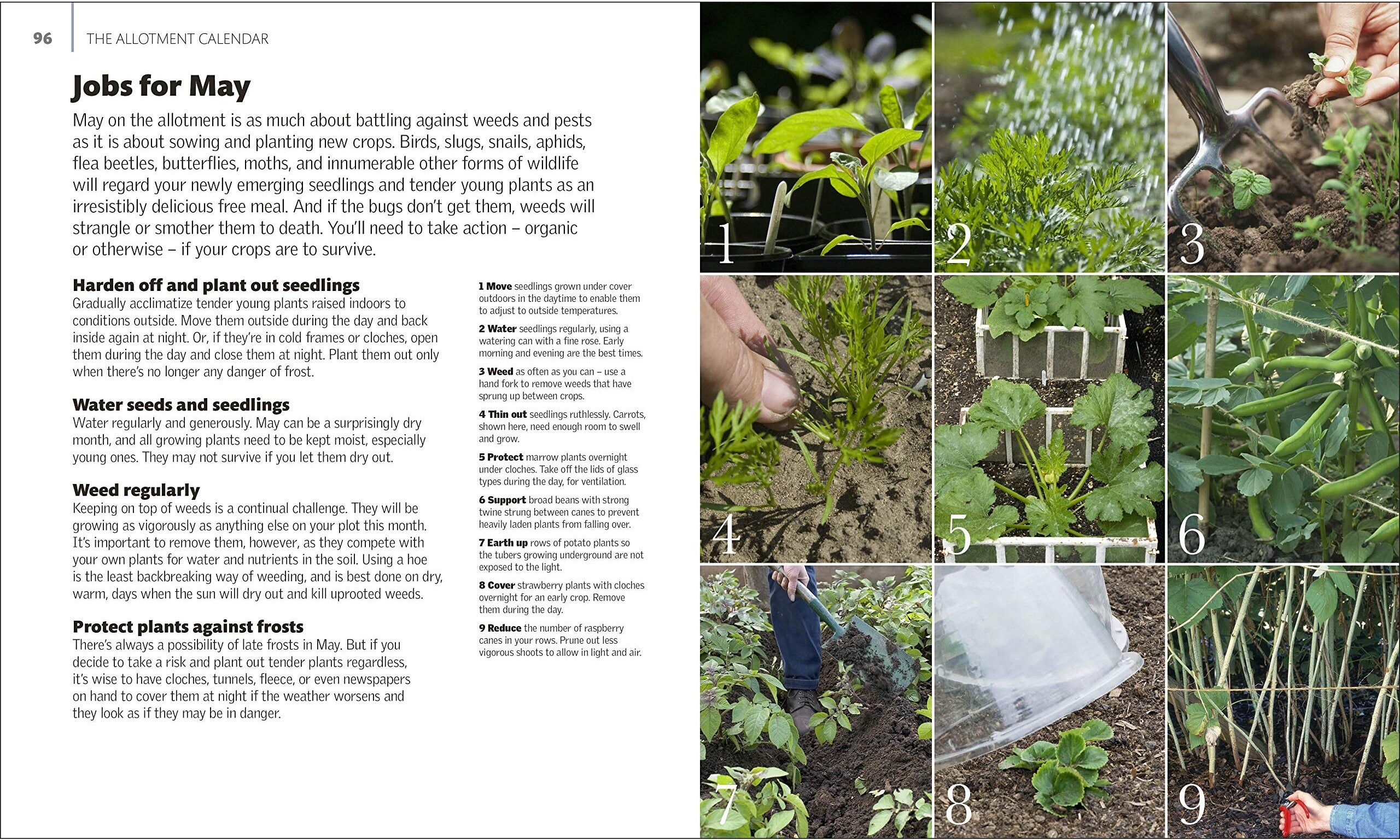
DK Allotment Month By Month - Grow Your Own Fruit And Vegetables Know What To Do WhenAllotment Month By Month A new edition of the bestselling guide to making the most of your allotment, with seasonal advice, essential to-do lists, and more than 60 fruit and vegetable crop planners. Grow fresh, seasonal produce in your allotment or kitchen garden all year round with the bestselling guide from Alan Buckingham. Allotment Month by Month takes the uncertainty out of your harvest with clear, reliable gardening advice for every month of the year. In-depth crop planners show you when to sow and how to cultivate more than 60 herbs, fruit, and vegetables, including kale, rhubarb, spinach, strawberries, and apples. Month-by-month alerts help you guard against the season's garden pests and diseases to ensure a top-quality harvest. Prioritise key garden tasks, learn crop rotation techniques, and try step-by-step garden projects, such as sowing peas in guttering and making your own compost bin. This new edition has updated recommendations for the best varieties to grow and all the latest advice on pesticide use. Ideal for both urban gardeners and seasoned allotment owners, or as self-purchase or gift for first-time vegetable growers, Allotment Month by Month has everything you need to know to make the most of your plot.9,99 £*Shipping: 2,99 £Secure redirect to the provider


-
What is database normalization?
Database normalization is the process of organizing data in a database in a way that reduces redundancy and dependency. It involves breaking down a database into smaller, more manageable tables and defining relationships between them. The goal of normalization is to minimize data redundancy, improve data integrity, and make the database more efficient. There are different levels of normalization, known as normal forms, with each level addressing specific issues related to data organization. **
-
How do I find a free number in an SQL database?
To find a free number in an SQL database, you can use a query to search for gaps in a sequence of numbers. For example, if you have a table with a column of numbers, you can use a query to find the first available number that is not already in use. You can do this by using a combination of SQL functions such as MIN, MAX, and NOT IN to identify the gaps in the sequence. Additionally, you can also use the ISNULL or COALESCE functions to handle NULL values in the sequence. **
-
Can you also grow from lactose-free milk?
Yes, you can still grow from lactose-free milk because it contains all the essential nutrients found in regular milk, such as protein, calcium, and vitamin D. Lactose-free milk is simply regular milk that has been treated with the enzyme lactase to break down the lactose, making it easier to digest for those who are lactose intolerant. Therefore, it can still support growth and development just like regular milk. **
-
How to solve the following SQL query?
To solve an SQL query, you need to first understand the requirements of the query and the structure of the database. Then, you can write the appropriate SQL statement using SELECT, FROM, WHERE, GROUP BY, HAVING, and ORDER BY clauses to retrieve the desired data. Make sure to use the correct table and column names, as well as any necessary joins if querying multiple tables. Finally, execute the query in your preferred SQL environment and review the results to ensure they meet the expected outcome. **


How do I insert data into a SQL database?
To insert data into a SQL database, you can use the SQL INSERT INTO statement. The basic syntax is: INSERT INTO table_name (column1, column2, column3, ...) VALUES (value1, value2, value3, ...); You need to specify the table name and the columns you want to insert data into, followed by the values you want to insert into those columns. Make sure the data types of the values match the data types of the columns in the table. Finally, execute the SQL query to insert the data into the database. **
What is the normalization of database anomalies?
Normalization of database anomalies is the process of organizing data in a database in such a way that it reduces redundancy and dependency. This helps in improving data integrity and consistency by minimizing the chances of anomalies such as insertion, update, and deletion anomalies. By breaking down data into smaller, manageable tables and establishing relationships between them, normalization ensures that data is stored efficiently and accurately. Overall, normalization helps in maintaining data quality and making the database more robust and reliable. **
Top-Angebote
Products related to Tula-Free-to-Grow:
-
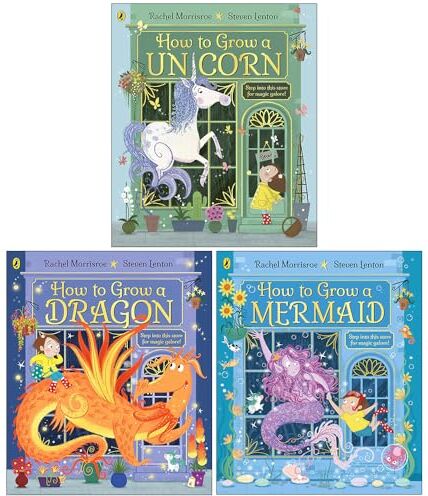
Puffin ltd How to Grow Series Collection 3 Books Set By Rachel Morrisroe (How to Grow a Unicorn, How to Grow a Dragon and How to Grow a Mermaid)How to Grow Series Collection 3 Books Set By Rachel Morrisroe (How to Grow a Unicorn, How to Grow a Dragon & How to Grow a Mermaid): How to Grow a Unicorn: A rollicking, rhyming read-aloud treat from wordsmith extraordinaire, debut author Rachel Morrisroe, and the ridiculously talented, bestselling Steven Lenton.Welcome to Mr Pottifer's Parlour of Plants: a magical shop with the most surprising plants you'll ever see! Sarah thinks she's discovered the perfect gift for her garden-loving grandma, but before you can say GARDEN FULL OF UNICORNS, things grow wildly out-of-hand! How to Grow a Dragon: A story that celebrates problem solving, kindness and resourcefulness.An unexpected delivery of dragodil seeds provides the perfect chance for Sarah and Mr Pottifer to grow helpful dragon pets for their customers - or does it? It turns out that these fiery dragons are not very well-behaved at all... and everything soon spirals into smoke-filled, out-of-control DRAGON CHAOS! Can Sarah's quick thinking and green fingers save the day? How to Grow a Mermaid: A new customer at the shop buys some mermaid seeds, and Sarah is only too happy to help him grow them. But when the plants are accidentally given too much sugar, their vines spread throughout the town, flooding the streets and causing a whole heap of MER-MAYHEM! Can Sarah and her new friend use their quick thinking and green fingers to save the day?19,99 £*Shipping: 2,99 £Secure redirect to the provider
-
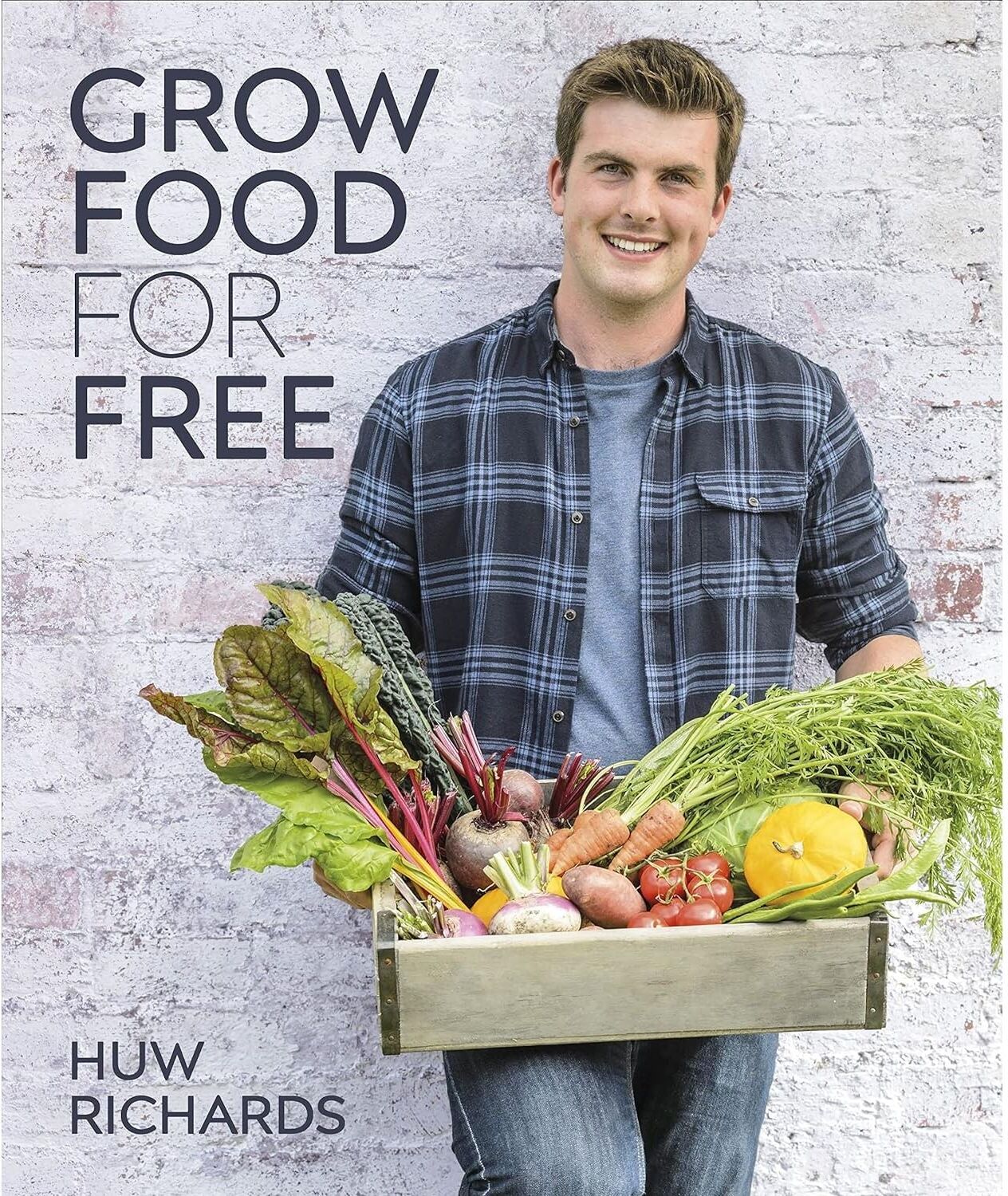
DK Grow Food for Free: The easy, sustainable, zero-cost way to a plentiful harvest by Huw RicahrdsZero-cost, low effort and a long term solution to your fresh produce needs!Huw Richards set himself a challenge - to be self-sufficient by growing his own fruit and veg for free for a year. He succeeded, and now wants to help you do the same.Grow your own food in your home garden, allotment or container and look forward to a bountiful harvest year-round. You can plant fruit and veg at home without spending a penny and Huw Richard's shows you how.Packed with tried-and-tested advice, this gardening book covers:- Finding a space to grow - in the garden or on a terrace or balcony - and sourcing the materials you need- Deciding what to grow your crops in (the ground, a raised bed, or containers)- Clear growing instructions on more than 30 species of popular annual and perennial crops- Huw Richards' 52-week journal of how he grew his own food for free for a year without spending a penny- Advice on how to go about selling your produce to raise money to expand your growing areaAuthor Huw Richards is a man on a mission. He is passionate about teaching you how to garden and grow your own food. Years of experience and trying different things has taught Huw how to garden with little money (or without a garden) and he shows you how to do the same! Grow Food for Free teaches you how to produce no-cost, low-maintenance fruit and veg - and finding low-cost ways to overcome common gardening worries.Learn about the space you need and how to prepare it, make your own compost, tackle weeds, pests, and diseases, and how to get hold of your first set of seeds! Discover strategies to expand your garden. Can't afford a raised bed? Try repurposing an old wooden pallet. Don't have money to buy lots of different seeds? Look in your kitchen cupboards for food that you can plant. This home gardening book shows you everything you need to barter, borrow, repurpose, and propagate your way to a bountiful harvest without burdening your bank balance!7,95 £*Shipping: 2,99 £Secure redirect to the provider
-
BBC Books RHS How to Garden 3 Book Set – Perennial Plants, Grow Food for Free & Gardening Guide CollectionHow to Garden Perennial Garden Plants, RHS How To Garden (HB), Grow Food for Free (HB) 3 Books Collection Set Alan Titchmarsh How to Garden: Perennial Garden Plants Herbaceous perennials flower each year, dying down in the winter and springing back to life the following spring. They are central features in the landscape of a garden as they appear year-after-year and must be regarded as constant features. This book gives the expert view on the vast array of flowers available. Includes: creative garden ideas and border planting plans practical advice on care, maintenance and propagation illustrated A-Z profiles of recommended plants recommended plants for specific purposes, conditions and effects step-by-step illustrations showing essential techniques Alan Titchmarsh imparts a lifetime of expertise in these definitive guides for beginners and experienced gardeners. Step-by-step illustrations and easy-to-follow instructions guide you through the basic gardening skills and on to the advanced techniques, providing everything you need to create beautiful flower borders in your garden. RHS How To Garden When You're New To Gardening: The Basics For Absolute Beginners (Hardback) If the desire to start a garden has been planted in your heart, then this essential guide is a wonderful companion to accompany you on your new adventure! If you're not sure of the first steps to take, this handbook takes the anxiety out of plotting and planting and equips you with all the know-how and confidence you need to get digging into your garden. Creating a garden that you can enjoy and keep looking beautiful all year round is easier than you think!With the expertise of the Royal Horticultural Society, you'll find simple step-by-step instructions, with clear images to help you create your dream garden, no matter the size and scale. Get to know your garden and choose plants that will grow well in particular soil types and conditions year after year. From growing root crop to cutting back ivy, this book gives you lots of simple garden ideas and projects that you can do yourself. Even if you've never sowed a seed or pulled a weed, RHS How to Garden When You're New To Gardening contains everything you need to kickstart your new outdoor hobby! This refreshingly accessible book is perfect for the novice gardener who wants to make the most of whatever garden they have. Your Guide to Creating the Garden of Your Dreams Do you want to create a garden you can show off with pride? Would you like to grow your own food? This book will get you started quickly! By following the simple steps and projects outlined in this book, you will reap instant rewards and long-term successes so that you can enjoy your garden in all seasons. Inside the pages of this comprehensive gardening book, you'll discover: - Clear definitions and descriptions of the different types of plants. - Tips on choosing the type of garden you want. - Easy-to-follow instructions for choosing the right plants for your soil....14,99 £*Shipping: 2,99 £Secure redirect to the provider
-
Scholastic Professional Rooted in Strength: Using Translanguaging to Grow Multilingual Readers and WritersAdditionally, the authors present rich and thoughtful literacy practices that propel emergent bilinguals into reading and writing success. The core of this approach is honoring and leveraging the language and cultural resources emergent bilinguals...36,99 $*Shipping: 0,00 $Secure redirect to the provider
-
What is the SQL query for the Terra database?
The SQL query for the Terra database will depend on the specific task or information you are trying to retrieve. However, a basic SQL query to retrieve all data from a table in the Terra database would look like this: ```sql SELECT * FROM table_name; ``` Replace "table_name" with the actual name of the table you want to retrieve data from. If you want to retrieve specific columns or apply filters, you can modify the query accordingly using the SELECT and WHERE clauses. **
-
What is the SQL query for a SQLite database?
The SQL query for a SQLite database is similar to other SQL databases. Here is an example of a simple SQL query for a SQLite database: ``` SELECT * FROM table_name; ``` This query selects all columns from the specified table in the database. Other common SQL queries for SQLite include INSERT, UPDATE, DELETE, and CREATE TABLE. **
-
What is database normalization?
Database normalization is the process of organizing data in a database in a way that reduces redundancy and dependency. It involves breaking down a database into smaller, more manageable tables and defining relationships between them. The goal of normalization is to minimize data redundancy, improve data integrity, and make the database more efficient. There are different levels of normalization, known as normal forms, with each level addressing specific issues related to data organization. **
-
How do I find a free number in an SQL database?
To find a free number in an SQL database, you can use a query to search for gaps in a sequence of numbers. For example, if you have a table with a column of numbers, you can use a query to find the first available number that is not already in use. You can do this by using a combination of SQL functions such as MIN, MAX, and NOT IN to identify the gaps in the sequence. Additionally, you can also use the ISNULL or COALESCE functions to handle NULL values in the sequence. **
Similar search terms for Tula-Free-to-Grow
-
DK Allotment Month By Month - Grow Your Own Fruit And Vegetables Know What To Do WhenAllotment Month By Month A new edition of the bestselling guide to making the most of your allotment, with seasonal advice, essential to-do lists, and more than 60 fruit and vegetable crop planners. Grow fresh, seasonal produce in your allotment or kitchen garden all year round with the bestselling guide from Alan Buckingham. Allotment Month by Month takes the uncertainty out of your harvest with clear, reliable gardening advice for every month of the year. In-depth crop planners show you when to sow and how to cultivate more than 60 herbs, fruit, and vegetables, including kale, rhubarb, spinach, strawberries, and apples. Month-by-month alerts help you guard against the season's garden pests and diseases to ensure a top-quality harvest. Prioritise key garden tasks, learn crop rotation techniques, and try step-by-step garden projects, such as sowing peas in guttering and making your own compost bin. This new edition has updated recommendations for the best varieties to grow and all the latest advice on pesticide use. Ideal for both urban gardeners and seasoned allotment owners, or as self-purchase or gift for first-time vegetable growers, Allotment Month by Month has everything you need to know to make the most of your plot.9,99 £*Shipping: 2,99 £Secure redirect to the provider
-
Can you also grow from lactose-free milk?
Yes, you can still grow from lactose-free milk because it contains all the essential nutrients found in regular milk, such as protein, calcium, and vitamin D. Lactose-free milk is simply regular milk that has been treated with the enzyme lactase to break down the lactose, making it easier to digest for those who are lactose intolerant. Therefore, it can still support growth and development just like regular milk. **
-
How to solve the following SQL query?
To solve an SQL query, you need to first understand the requirements of the query and the structure of the database. Then, you can write the appropriate SQL statement using SELECT, FROM, WHERE, GROUP BY, HAVING, and ORDER BY clauses to retrieve the desired data. Make sure to use the correct table and column names, as well as any necessary joins if querying multiple tables. Finally, execute the query in your preferred SQL environment and review the results to ensure they meet the expected outcome. **
-
How do I insert data into a SQL database?
To insert data into a SQL database, you can use the SQL INSERT INTO statement. The basic syntax is: INSERT INTO table_name (column1, column2, column3, ...) VALUES (value1, value2, value3, ...); You need to specify the table name and the columns you want to insert data into, followed by the values you want to insert into those columns. Make sure the data types of the values match the data types of the columns in the table. Finally, execute the SQL query to insert the data into the database. **
-
What is the normalization of database anomalies?
Normalization of database anomalies is the process of organizing data in a database in such a way that it reduces redundancy and dependency. This helps in improving data integrity and consistency by minimizing the chances of anomalies such as insertion, update, and deletion anomalies. By breaking down data into smaller, manageable tables and establishing relationships between them, normalization ensures that data is stored efficiently and accurately. Overall, normalization helps in maintaining data quality and making the database more robust and reliable. **
* All prices are inclusive of VAT and, if applicable, plus shipping costs. The offer information is based on the details provided by the respective shop and is updated through automated processes. Real-time updates do not occur, so deviations can occur in individual cases. ** Note: Parts of this content were created by AI.