Buy celko.eu ?
We are moving the project
celko.eu .
Are you interested in purchasing the domain
celko.eu ?
domain@kv-gmbh.de · 0541-91531010
Buy celko.eu ?
What is the SQL query for the Terra database?
The SQL query for the Terra database will depend on the specific task or information you are trying to retrieve. However, a basic SQL query to retrieve all data from a table in the Terra database would look like this: ```sql SELECT * FROM table_name; ``` Replace "table_name" with the actual name of the table you want to retrieve data from. If you want to retrieve specific columns or apply filters, you can modify the query accordingly using the SELECT and WHERE clauses. **
What is the SQL query for a SQLite database?
The SQL query for a SQLite database is similar to other SQL databases. Here is an example of a simple SQL query for a SQLite database: ``` SELECT * FROM table_name; ``` This query selects all columns from the specified table in the database. Other common SQL queries for SQLite include INSERT, UPDATE, DELETE, and CREATE TABLE. **
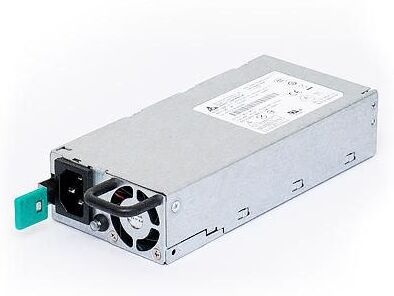

Similar search terms for Rackmount
Top-Angebote
Products related to Rackmount:
-
Asus ExpertCenter Pro ER100A B6 Rackmount 1U Server (Socket AM5/DDR5)Powered by AMD EPYC 4000 series processors up to maximum 120W TDP: Delivers exceptional performance and reliability, with DDR5 5600MHz ECC/non-ECC UDIMM memory.. Graphics Support: Supports one NVIDIA RTX A1000/A400 GPU, ideal for rendering and AI workloads.. Storage Options: Supports two hot-swappable 2.5" SATA drive bays, and additional two internal 2.5" SATA or NVMe U.2 drive tray, enhancing storage flexibility and performance.. Network Connectivity: Dual 2.5Gb LAN ports for fast, high-bandwidth, and low-latency connections.. I/O Options: 10Gbps USB Type-C, USB Type-A, and an internal Type-A port (for security kits), providing versatile connectivity for various needs.958,99 £*Shipping: 0,00 £Secure redirect to the provider
-
TP-LINK TL-SG1024D 24-Port Gigabit Unmanaged Desktop/Rackmount SwitchThe TP Link TL SG1024D is a 24-port unmanaged Gigabit Ethernet switch designed to expand wired network connectivity for homes, offices and small to medium-sized networks. All 24 ports support speeds of up to 1000Mbps, providing fast and reliable connections for computers, printers, storage devices and other Ethernet equipment. Designed for straightforward installation, the switch features plug and play operation with automatic negotiation and Auto MDI/MDIX. No complicated configuration is required, allowing compatible devices to be connected quickly while the switch automatically detects the appropriate connection speed. The TL SG1024D provides a 48Gbps switching capacity and a packet forwarding rate of 35.7Mpps, helping multiple connected devices communicate efficiently. Its 8K MAC address table and store-and-forward transmission method support dependable network performance. Energy-efficient technology helps reduce power consumption according to network conditions, while the fanless design provides quiet operation. The switch also supports jumbo frames up to 10KB for compatible network applications. With a rack-mountable design and compact 294 x 180 x 44mm dimensions, the TL SG1024D can be installed on a desk or integrated into a suitable network rack. Its grey finish and robust design make it suitable for both business and home networking environments.101,99 £*Shipping: 0,00 £Secure redirect to the provider
-
APC Smart-UPS C Line Interactive 2U Rackmount UPS with SmartConnect - 1500VAThe APC Smart-UPS C SMC1500I-2UC is a line-interactive 2U rack-mount UPS rated at 1500VA / 900W with pure sine wave output and automatic voltage regulation (AVR). It has four IEC C13 outlets, a graphic LCD, USB and serial (RS-232) ports, and an APC SmartConnect port for remote cloud monitoring. The maintenance-free lead-acid battery is hot-swappable, recharges in about 3 hours and gives roughly 10 minutes of runtime at full load (25 minutes at half load). 220-240V input; 2-year manufacturer warranty.1033,99 £*Shipping: 0,00 £Secure redirect to the provider


-
What is database normalization?
Database normalization is the process of organizing data in a database in a way that reduces redundancy and dependency. It involves breaking down a database into smaller, more manageable tables and defining relationships between them. The goal of normalization is to minimize data redundancy, improve data integrity, and make the database more efficient. There are different levels of normalization, known as normal forms, with each level addressing specific issues related to data organization. **
-
What is the difference between desktop and rackmount variants of IT network switches?
Desktop network switches are designed to sit on a desk or shelf, while rackmount switches are designed to be mounted in a standard equipment rack. Rackmount switches are typically larger in size and have more ports than desktop switches. Rackmount switches are also designed for better airflow and cooling in a rack environment. Additionally, rackmount switches often have redundant power supplies and other features to ensure high availability in a data center setting. **
-
How do I insert data into a SQL database?
To insert data into a SQL database, you can use the SQL INSERT INTO statement. The basic syntax is: INSERT INTO table_name (column1, column2, column3, ...) VALUES (value1, value2, value3, ...); You need to specify the table name and the columns you want to insert data into, followed by the values you want to insert into those columns. Make sure the data types of the values match the data types of the columns in the table. Finally, execute the SQL query to insert the data into the database. **
-
What is the normalization of database anomalies?
Normalization of database anomalies is the process of organizing data in a database in such a way that it reduces redundancy and dependency. This helps in improving data integrity and consistency by minimizing the chances of anomalies such as insertion, update, and deletion anomalies. By breaking down data into smaller, manageable tables and establishing relationships between them, normalization ensures that data is stored efficiently and accurately. Overall, normalization helps in maintaining data quality and making the database more robust and reliable. **


What is the normalization of a database?
Normalization is the process of organizing data in a database to reduce redundancy and dependency. It involves breaking down a database into smaller, more manageable tables and establishing relationships between them. The goal of normalization is to minimize data duplication and ensure data integrity, making it easier to update and maintain the database. This process typically involves creating primary and foreign keys to link related tables and removing any repeating groups of data. **
What is SQL query 2?
SQL query 2 is a structured query language statement used to retrieve data from a database. It typically includes keywords such as SELECT, FROM, WHERE, and ORDER BY to specify the data to be retrieved, the table from which to retrieve it, any conditions that must be met, and the order in which the data should be presented. SQL query 2 can be customized to filter, sort, and manipulate data according to specific requirements. **
Top-Angebote
Products related to Rackmount:
-
Synology RXD1215sas 12-Bay 2U Rackmount SAS Expansion UnitSynology RXD1215sas 12-bay 2U rackmount SAS expansion unit for 2.5/3.5-inch drives, adding capacity to compatible Synology rackmount systems including the RS18016xs+, RS3617xs+, RS18017xs+, RS2818RP+, RS2418RP+ and FS2017. Drives not included.457,99 £*Shipping: 0,00 £Secure redirect to the provider
-
StarTech.com 1U Vented Server Rack Cabinet Shelf, 12in Deep Fixed Cantilever Tray, Rackmount Shelf for 19" AV/Data/Network Equipment Enclosure w/ CageStarTech.com 1U Vented Server Rack Cabinet Shelf, 12in Deep Fixed Cantilever Tray, Rackmount Shelf for 19" AV/Data/Network Equipment Enclosure w/ Cage Nuts & Screws, 55lbs Weight Capacity - 1U Network Rack Shelf - Rack shelf - black - 1U - 19"50,99 £*Shipping: 0,00 £Secure redirect to the provider
-
Asus ExpertCenter Pro ER100A B6 Rackmount 1U Server (Socket AM5/DDR5)Powered by AMD EPYC 4000 series processors up to maximum 120W TDP: Delivers exceptional performance and reliability, with DDR5 5600MHz ECC/non-ECC UDIMM memory.. Graphics Support: Supports one NVIDIA RTX A1000/A400 GPU, ideal for rendering and AI workloads.. Storage Options: Supports two hot-swappable 2.5" SATA drive bays, and additional two internal 2.5" SATA or NVMe U.2 drive tray, enhancing storage flexibility and performance.. Network Connectivity: Dual 2.5Gb LAN ports for fast, high-bandwidth, and low-latency connections.. I/O Options: 10Gbps USB Type-C, USB Type-A, and an internal Type-A port (for security kits), providing versatile connectivity for various needs.958,99 £*Shipping: 0,00 £Secure redirect to the provider
-
What is the SQL query for the Terra database?
The SQL query for the Terra database will depend on the specific task or information you are trying to retrieve. However, a basic SQL query to retrieve all data from a table in the Terra database would look like this: ```sql SELECT * FROM table_name; ``` Replace "table_name" with the actual name of the table you want to retrieve data from. If you want to retrieve specific columns or apply filters, you can modify the query accordingly using the SELECT and WHERE clauses. **
-
What is the SQL query for a SQLite database?
The SQL query for a SQLite database is similar to other SQL databases. Here is an example of a simple SQL query for a SQLite database: ``` SELECT * FROM table_name; ``` This query selects all columns from the specified table in the database. Other common SQL queries for SQLite include INSERT, UPDATE, DELETE, and CREATE TABLE. **
-
What is database normalization?
Database normalization is the process of organizing data in a database in a way that reduces redundancy and dependency. It involves breaking down a database into smaller, more manageable tables and defining relationships between them. The goal of normalization is to minimize data redundancy, improve data integrity, and make the database more efficient. There are different levels of normalization, known as normal forms, with each level addressing specific issues related to data organization. **
-
What is the difference between desktop and rackmount variants of IT network switches?
Desktop network switches are designed to sit on a desk or shelf, while rackmount switches are designed to be mounted in a standard equipment rack. Rackmount switches are typically larger in size and have more ports than desktop switches. Rackmount switches are also designed for better airflow and cooling in a rack environment. Additionally, rackmount switches often have redundant power supplies and other features to ensure high availability in a data center setting. **
Similar search terms for Rackmount
-
TP-LINK TL-SG1024D 24-Port Gigabit Unmanaged Desktop/Rackmount SwitchThe TP Link TL SG1024D is a 24-port unmanaged Gigabit Ethernet switch designed to expand wired network connectivity for homes, offices and small to medium-sized networks. All 24 ports support speeds of up to 1000Mbps, providing fast and reliable connections for computers, printers, storage devices and other Ethernet equipment. Designed for straightforward installation, the switch features plug and play operation with automatic negotiation and Auto MDI/MDIX. No complicated configuration is required, allowing compatible devices to be connected quickly while the switch automatically detects the appropriate connection speed. The TL SG1024D provides a 48Gbps switching capacity and a packet forwarding rate of 35.7Mpps, helping multiple connected devices communicate efficiently. Its 8K MAC address table and store-and-forward transmission method support dependable network performance. Energy-efficient technology helps reduce power consumption according to network conditions, while the fanless design provides quiet operation. The switch also supports jumbo frames up to 10KB for compatible network applications. With a rack-mountable design and compact 294 x 180 x 44mm dimensions, the TL SG1024D can be installed on a desk or integrated into a suitable network rack. Its grey finish and robust design make it suitable for both business and home networking environments.101,99 £*Shipping: 0,00 £Secure redirect to the provider
-
APC Smart-UPS C Line Interactive 2U Rackmount UPS with SmartConnect - 1500VAThe APC Smart-UPS C SMC1500I-2UC is a line-interactive 2U rack-mount UPS rated at 1500VA / 900W with pure sine wave output and automatic voltage regulation (AVR). It has four IEC C13 outlets, a graphic LCD, USB and serial (RS-232) ports, and an APC SmartConnect port for remote cloud monitoring. The maintenance-free lead-acid battery is hot-swappable, recharges in about 3 hours and gives roughly 10 minutes of runtime at full load (25 minutes at half load). 220-240V input; 2-year manufacturer warranty.1033,99 £*Shipping: 0,00 £Secure redirect to the provider
-
Zyxel GS1920-48HPv2 48-Port Gigabit Smart Managed PoE+ Rackmount Switch (GS192048HPV2-GB0101F)A new-look smart managed switch with a refreshed design inside and out! The GS1920v2 series extends the success of the best-selling GS1920 series with a stylish new look and enables cloud manageability with Zyxel NebulaFlexTM technology. Manage it your way! The GS1920v2 series introduces Zyxel NebulaFlexTM, which allows you to easily switch between standalone mode and our license-free Nebula cloud management platform anytime with just a few simple clicks. Maximum flexibility for your Gig The GS1660,99 £*Shipping: 0,00 £Secure redirect to the provider
-
How do I insert data into a SQL database?
To insert data into a SQL database, you can use the SQL INSERT INTO statement. The basic syntax is: INSERT INTO table_name (column1, column2, column3, ...) VALUES (value1, value2, value3, ...); You need to specify the table name and the columns you want to insert data into, followed by the values you want to insert into those columns. Make sure the data types of the values match the data types of the columns in the table. Finally, execute the SQL query to insert the data into the database. **
-
What is the normalization of database anomalies?
Normalization of database anomalies is the process of organizing data in a database in such a way that it reduces redundancy and dependency. This helps in improving data integrity and consistency by minimizing the chances of anomalies such as insertion, update, and deletion anomalies. By breaking down data into smaller, manageable tables and establishing relationships between them, normalization ensures that data is stored efficiently and accurately. Overall, normalization helps in maintaining data quality and making the database more robust and reliable. **
-
What is the normalization of a database?
Normalization is the process of organizing data in a database to reduce redundancy and dependency. It involves breaking down a database into smaller, more manageable tables and establishing relationships between them. The goal of normalization is to minimize data duplication and ensure data integrity, making it easier to update and maintain the database. This process typically involves creating primary and foreign keys to link related tables and removing any repeating groups of data. **
-
What is SQL query 2?
SQL query 2 is a structured query language statement used to retrieve data from a database. It typically includes keywords such as SELECT, FROM, WHERE, and ORDER BY to specify the data to be retrieved, the table from which to retrieve it, any conditions that must be met, and the order in which the data should be presented. SQL query 2 can be customized to filter, sort, and manipulate data according to specific requirements. **
* All prices are inclusive of VAT and, if applicable, plus shipping costs. The offer information is based on the details provided by the respective shop and is updated through automated processes. Real-time updates do not occur, so deviations can occur in individual cases. ** Note: Parts of this content were created by AI.