Buy celko.eu ?
We are moving the project
celko.eu .
Are you interested in purchasing the domain
celko.eu ?
domain@kv-gmbh.de · 0541-91531010
Buy celko.eu ?
What is the SQL query for the Terra database?
The SQL query for the Terra database will depend on the specific task or information you are trying to retrieve. However, a basic SQL query to retrieve all data from a table in the Terra database would look like this: ```sql SELECT * FROM table_name; ``` Replace "table_name" with the actual name of the table you want to retrieve data from. If you want to retrieve specific columns or apply filters, you can modify the query accordingly using the SELECT and WHERE clauses. **
What is the SQL query for a SQLite database?
The SQL query for a SQLite database is similar to other SQL databases. Here is an example of a simple SQL query for a SQLite database: ``` SELECT * FROM table_name; ``` This query selects all columns from the specified table in the database. Other common SQL queries for SQLite include INSERT, UPDATE, DELETE, and CREATE TABLE. **
Similar search terms for Assessment
Top-Angebote
Products related to Assessment:
-
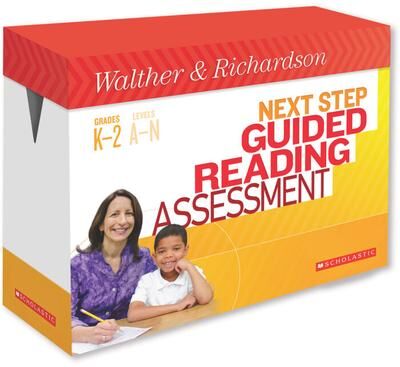
Scholastic Next Step Guided Reading Assessment, K-2Developed by leading literacy experts Jan Richardson, Ph.D., and Maria Walther, Ed.D., Next Step Guided Reading Assessment uses Richardson's proven Assess-Decide-Guide teaching system to pinpoint students' reading level and target instructional next...489,00 $*Shipping: 0,00 $Secure redirect to the provider
-
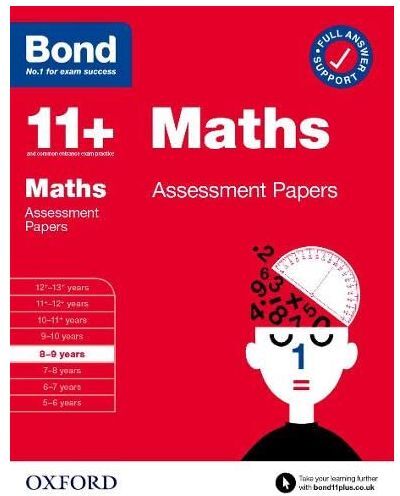
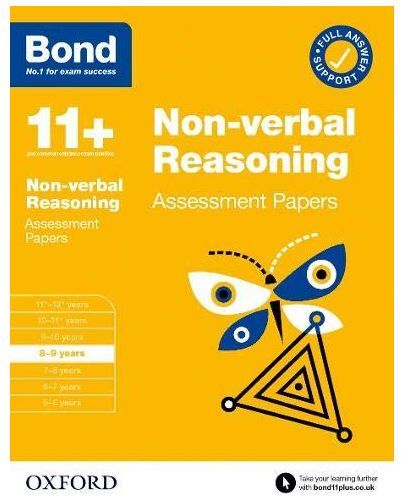
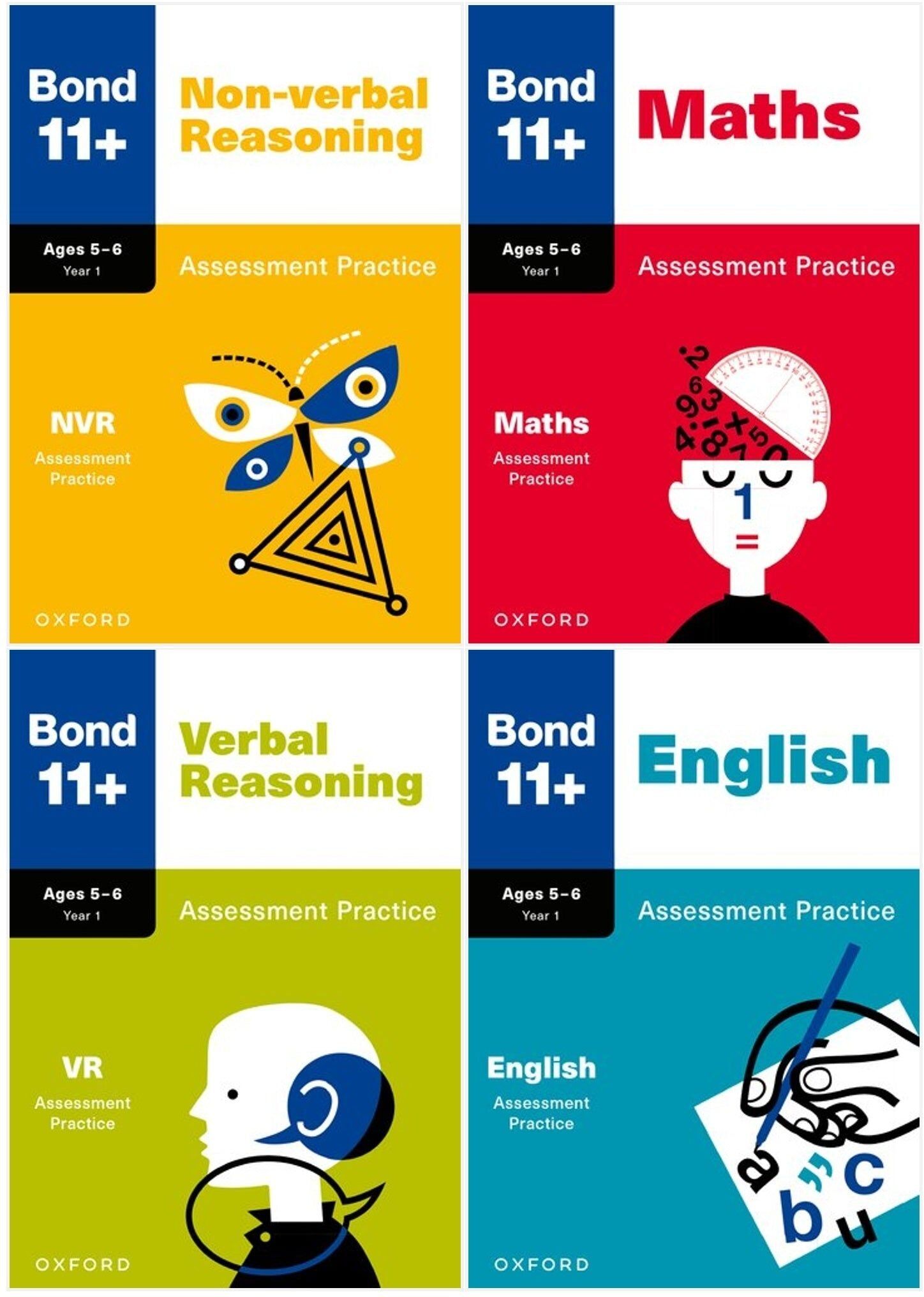
OXFORD UNIVERSITY PRESS Bond 11+ Maths English Verbal Non-Verbal Reasoning Assessment Practice 5-6 years 4 Books Set (Bond Assessment Papers)Bond 11+ English; Maths; Non-verbal Reasoning; Verbal Reasoning Assessment Practice 4 Books Set (Age 5-6) The pack includes the following 4 books (Bond 11 Plus books) Bond 11+ Maths Assessment Practice Ages 5-6 Bond Maths Assessment Practice for 5-6 years are topic-based practice questions that set the foundation for success in SATs; common entrance or 11+ exams. They have been written to cover the core National Curriculum skills and cover the question types used in 11+ exams; building the skills and confidence for exam success. Bond 11+ English Assessment Practice Ages 5-6 Bond English Assessment Practice for 5-6 years are topic-based practice questions that set the foundation for success in SATs; common entrance or 11+ exams. They have been written to cover the core National Curriculum skills and cover the question types used in 11+ exams; building the skills and confidence for exam success Bond 11+ Verbal Reasoning Assessment Practice Ages 5-6 Bond Verbal Reasoning Assessment Practice for 5-6 years introduces children to verbal reasoning problem-solving skills; encouraging thinking skills and providing early preparation for Common Entrance and 11+ exams. Bond 11+ Non-Verbal Reasoning Assessment Practice Ages 5-6 Bond Non-verbal Reasoning Assessment Practice for 5-6 years introduces children to non-verbal reasoning problem-solving skills; encouraging thinking skills and providing early preparation for Common Entrance and 11+ exams.14,40 £*Shipping: 2,99 £Secure redirect to the provider
-
OXFORD UNIVERSITY PRESS Bond 11+ Maths English Verbal Non-Verbal Reasoning Assessment Practice 6-7 years 4 Books Set (Bond Assessment Papers)Bond 11+ Maths English Verbal Non-Verbal Reasoning Assessment Practice 6-7 years 4 Books Set (Bond Assessment Papers) Year 2 Developed and written by experienced tutors, Bond 11+ Assessment Practice Books offer exam-style practice questions, perfect for preparing for the GL 11+ exam and other selective school tests, with full answer explanations in a removable booklet. Bond 11+ English Assessment Practice Age 6-7: Covers all of the core 11+ English exam topics including comprehension, spelling, sentences, punctuation, and grammar Bond 11+ Maths Assessment Practice Age 6-7: Covers a wide variety of maths topics including place value, multiplication and division, fractions, shapes, measurement, and diagrams Bond 11+ Non-verbal Reasoning Assessment Practice Age 6-7: Covers a wide variety of non-verbal reasoning topics including shapes, angles and rotation, similarities, sequences, reflections, and grids Bond 11+ Verbal Reasoning Assessment Practice Age 6-7: Covers a wide variety of verbal reasoning topics including word meanings, word connections, missing letters, patterns and sequences, anagrams, and codes15,99 £*Shipping: 2,99 £Secure redirect to the provider
-
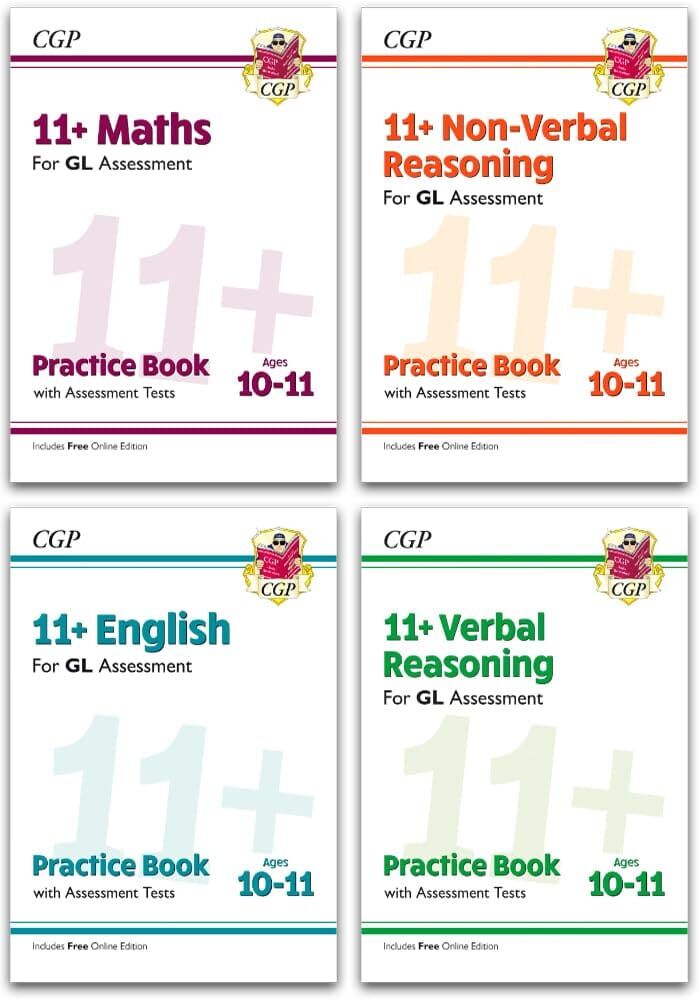
CGP 11+ Practice Book & Assessment Tests Bundle (for GL Assessment) 4 Books Set - Ages 10-11 - Paperback (Includes Free Online Edition) Coordination Group Publications Ltd (CGP)Titles in this Set: 1. 11+ GL Verbal Reasoning Practice Book & Assessment Tests 2. 11+ GL Non-Verbal Reasoning Practice Book & Assessment Tests 3. 11+ GL Maths Practice Book & Assessment Tests 4. 11+ GL English Practice Book & Assessment Tests Description: 11+ GL Verbal Reasoning Practice Book & Assessment Tests With its huge range of Verbal Reasoning questions for ages 10-11, this book is an excellent way to prepare for the 11+ test and other selective entrance exams. The first section of the book focuses on one topic at a time to help children gain understanding and confidence. This is followed by six realistic Assessment Tests to improve their speed and accuracy across a wide range of questions. And if they get stuck or go wrong, the detailed answers at the back of the book make it easy to understand the reasoning behind the questions. 11+ GL Non-Verbal Reasoning Practice Book & Assessment Tests Looking for extra-challenging practice for 11+ Verbal Reasoning? This book is packed with a wide range of practice questions set at the level of the trickiest 11+ questions — and beyond! The first part of the book focuses on one question type at a time to help children master the key skills needed for the GL test, including Comprehension, with a wide range of extra-tricky practice questions set at the very top level of the 11+ and beyond, so they’ll be ready for anything that gets thrown at them. The second part contains a selection of realistic Assessment Tests, with the later tests being even trickier than the real 11+. And if they get stuck, detailed answers make it easy to understand the reasoning behind the questions. 11+ GL Maths Practice Book & Assessment Tests Perfect for children aged 10-11 preparing for 11+ Maths and other selective entrance exams, this book contains a huge range of questions at the level of the final tests. The first section of the book focuses on one topic at a time to help children gain understanding and confidence. This is followed by four realistic Assessment Tests to improve their speed and accuracy across a wide range of questions. And if they get stuck or go wrong, the detailed answers at the back of the book make it easy to understand the reasoning behind the questions. 11+ GL English Practice Book & Assessment Tests Ideal for preparation in the run-up to the 11+ English test and other selective entrance exams, this book contains a huge range of questions at the level of the final tests. The first section of the book focuses on one topic at a time to help children gain understanding and confidence. This is followed by six realistic Assessment Tests to improve their speed and accuracy across a wide range of questions. And if they get stuck or go wrong, the detailed answers at the back of the book make it easy to understand the reasoning behind the questions.28,99 £*Shipping: 2,99 £Secure redirect to the provider

-
What is database normalization?
Database normalization is the process of organizing data in a database in a way that reduces redundancy and dependency. It involves breaking down a database into smaller, more manageable tables and defining relationships between them. The goal of normalization is to minimize data redundancy, improve data integrity, and make the database more efficient. There are different levels of normalization, known as normal forms, with each level addressing specific issues related to data organization. **
-
How do I insert data into a SQL database?
To insert data into a SQL database, you can use the SQL INSERT INTO statement. The basic syntax is: INSERT INTO table_name (column1, column2, column3, ...) VALUES (value1, value2, value3, ...); You need to specify the table name and the columns you want to insert data into, followed by the values you want to insert into those columns. Make sure the data types of the values match the data types of the columns in the table. Finally, execute the SQL query to insert the data into the database. **
-
What is the normalization of database anomalies?
Normalization of database anomalies is the process of organizing data in a database in such a way that it reduces redundancy and dependency. This helps in improving data integrity and consistency by minimizing the chances of anomalies such as insertion, update, and deletion anomalies. By breaking down data into smaller, manageable tables and establishing relationships between them, normalization ensures that data is stored efficiently and accurately. Overall, normalization helps in maintaining data quality and making the database more robust and reliable. **
-
What is the normalization of a database?
Normalization is the process of organizing data in a database to reduce redundancy and dependency. It involves breaking down a database into smaller, more manageable tables and establishing relationships between them. The goal of normalization is to minimize data duplication and ensure data integrity, making it easier to update and maintain the database. This process typically involves creating primary and foreign keys to link related tables and removing any repeating groups of data. **
What is SQL query 2?
SQL query 2 is a structured query language statement used to retrieve data from a database. It typically includes keywords such as SELECT, FROM, WHERE, and ORDER BY to specify the data to be retrieved, the table from which to retrieve it, any conditions that must be met, and the order in which the data should be presented. SQL query 2 can be customized to filter, sort, and manipulate data according to specific requirements. **
How can I query data from a MySQL database using Java?
To query data from a MySQL database using Java, you can use the JDBC (Java Database Connectivity) API. First, you need to establish a connection to the MySQL database using the DriverManager class and provide the database URL, username, and password. Then, you can create a Statement or PreparedStatement object to execute SQL queries such as SELECT statements to retrieve data from the database. After executing the query, you can process the ResultSet object to retrieve the data returned by the query. Finally, remember to close the connection and resources after you are done querying the database. **
Top-Angebote
Products related to Assessment:
-
Scholastic Next Step Guided Reading Assessment, K-2Developed by leading literacy experts Jan Richardson, Ph.D., and Maria Walther, Ed.D., Next Step Guided Reading Assessment uses Richardson's proven Assess-Decide-Guide teaching system to pinpoint students' reading level and target instructional next...489,00 $*Shipping: 0,00 $Secure redirect to the provider
-
OXFORD UNIVERSITY PRESS Bond 11+ Maths English Verbal Non-Verbal Reasoning Assessment Practice 5-6 years 4 Books Set (Bond Assessment Papers)Bond 11+ English; Maths; Non-verbal Reasoning; Verbal Reasoning Assessment Practice 4 Books Set (Age 5-6) The pack includes the following 4 books (Bond 11 Plus books) Bond 11+ Maths Assessment Practice Ages 5-6 Bond Maths Assessment Practice for 5-6 years are topic-based practice questions that set the foundation for success in SATs; common entrance or 11+ exams. They have been written to cover the core National Curriculum skills and cover the question types used in 11+ exams; building the skills and confidence for exam success. Bond 11+ English Assessment Practice Ages 5-6 Bond English Assessment Practice for 5-6 years are topic-based practice questions that set the foundation for success in SATs; common entrance or 11+ exams. They have been written to cover the core National Curriculum skills and cover the question types used in 11+ exams; building the skills and confidence for exam success Bond 11+ Verbal Reasoning Assessment Practice Ages 5-6 Bond Verbal Reasoning Assessment Practice for 5-6 years introduces children to verbal reasoning problem-solving skills; encouraging thinking skills and providing early preparation for Common Entrance and 11+ exams. Bond 11+ Non-Verbal Reasoning Assessment Practice Ages 5-6 Bond Non-verbal Reasoning Assessment Practice for 5-6 years introduces children to non-verbal reasoning problem-solving skills; encouraging thinking skills and providing early preparation for Common Entrance and 11+ exams.14,40 £*Shipping: 2,99 £Secure redirect to the provider
-
What is the SQL query for the Terra database?
The SQL query for the Terra database will depend on the specific task or information you are trying to retrieve. However, a basic SQL query to retrieve all data from a table in the Terra database would look like this: ```sql SELECT * FROM table_name; ``` Replace "table_name" with the actual name of the table you want to retrieve data from. If you want to retrieve specific columns or apply filters, you can modify the query accordingly using the SELECT and WHERE clauses. **
-
What is the SQL query for a SQLite database?
The SQL query for a SQLite database is similar to other SQL databases. Here is an example of a simple SQL query for a SQLite database: ``` SELECT * FROM table_name; ``` This query selects all columns from the specified table in the database. Other common SQL queries for SQLite include INSERT, UPDATE, DELETE, and CREATE TABLE. **
-
What is database normalization?
Database normalization is the process of organizing data in a database in a way that reduces redundancy and dependency. It involves breaking down a database into smaller, more manageable tables and defining relationships between them. The goal of normalization is to minimize data redundancy, improve data integrity, and make the database more efficient. There are different levels of normalization, known as normal forms, with each level addressing specific issues related to data organization. **
-
How do I insert data into a SQL database?
To insert data into a SQL database, you can use the SQL INSERT INTO statement. The basic syntax is: INSERT INTO table_name (column1, column2, column3, ...) VALUES (value1, value2, value3, ...); You need to specify the table name and the columns you want to insert data into, followed by the values you want to insert into those columns. Make sure the data types of the values match the data types of the columns in the table. Finally, execute the SQL query to insert the data into the database. **
Similar search terms for Assessment
-
OXFORD UNIVERSITY PRESS Bond 11+ Maths English Verbal Non-Verbal Reasoning Assessment Practice 6-7 years 4 Books Set (Bond Assessment Papers)Bond 11+ Maths English Verbal Non-Verbal Reasoning Assessment Practice 6-7 years 4 Books Set (Bond Assessment Papers) Year 2 Developed and written by experienced tutors, Bond 11+ Assessment Practice Books offer exam-style practice questions, perfect for preparing for the GL 11+ exam and other selective school tests, with full answer explanations in a removable booklet. Bond 11+ English Assessment Practice Age 6-7: Covers all of the core 11+ English exam topics including comprehension, spelling, sentences, punctuation, and grammar Bond 11+ Maths Assessment Practice Age 6-7: Covers a wide variety of maths topics including place value, multiplication and division, fractions, shapes, measurement, and diagrams Bond 11+ Non-verbal Reasoning Assessment Practice Age 6-7: Covers a wide variety of non-verbal reasoning topics including shapes, angles and rotation, similarities, sequences, reflections, and grids Bond 11+ Verbal Reasoning Assessment Practice Age 6-7: Covers a wide variety of verbal reasoning topics including word meanings, word connections, missing letters, patterns and sequences, anagrams, and codes15,99 £*Shipping: 2,99 £Secure redirect to the provider
-
CGP 11+ Practice Book & Assessment Tests Bundle (for GL Assessment) 4 Books Set - Ages 10-11 - Paperback (Includes Free Online Edition) Coordination Group Publications Ltd (CGP)Titles in this Set: 1. 11+ GL Verbal Reasoning Practice Book & Assessment Tests 2. 11+ GL Non-Verbal Reasoning Practice Book & Assessment Tests 3. 11+ GL Maths Practice Book & Assessment Tests 4. 11+ GL English Practice Book & Assessment Tests Description: 11+ GL Verbal Reasoning Practice Book & Assessment Tests With its huge range of Verbal Reasoning questions for ages 10-11, this book is an excellent way to prepare for the 11+ test and other selective entrance exams. The first section of the book focuses on one topic at a time to help children gain understanding and confidence. This is followed by six realistic Assessment Tests to improve their speed and accuracy across a wide range of questions. And if they get stuck or go wrong, the detailed answers at the back of the book make it easy to understand the reasoning behind the questions. 11+ GL Non-Verbal Reasoning Practice Book & Assessment Tests Looking for extra-challenging practice for 11+ Verbal Reasoning? This book is packed with a wide range of practice questions set at the level of the trickiest 11+ questions — and beyond! The first part of the book focuses on one question type at a time to help children master the key skills needed for the GL test, including Comprehension, with a wide range of extra-tricky practice questions set at the very top level of the 11+ and beyond, so they’ll be ready for anything that gets thrown at them. The second part contains a selection of realistic Assessment Tests, with the later tests being even trickier than the real 11+. And if they get stuck, detailed answers make it easy to understand the reasoning behind the questions. 11+ GL Maths Practice Book & Assessment Tests Perfect for children aged 10-11 preparing for 11+ Maths and other selective entrance exams, this book contains a huge range of questions at the level of the final tests. The first section of the book focuses on one topic at a time to help children gain understanding and confidence. This is followed by four realistic Assessment Tests to improve their speed and accuracy across a wide range of questions. And if they get stuck or go wrong, the detailed answers at the back of the book make it easy to understand the reasoning behind the questions. 11+ GL English Practice Book & Assessment Tests Ideal for preparation in the run-up to the 11+ English test and other selective entrance exams, this book contains a huge range of questions at the level of the final tests. The first section of the book focuses on one topic at a time to help children gain understanding and confidence. This is followed by six realistic Assessment Tests to improve their speed and accuracy across a wide range of questions. And if they get stuck or go wrong, the detailed answers at the back of the book make it easy to understand the reasoning behind the questions.28,99 £*Shipping: 2,99 £Secure redirect to the provider
-
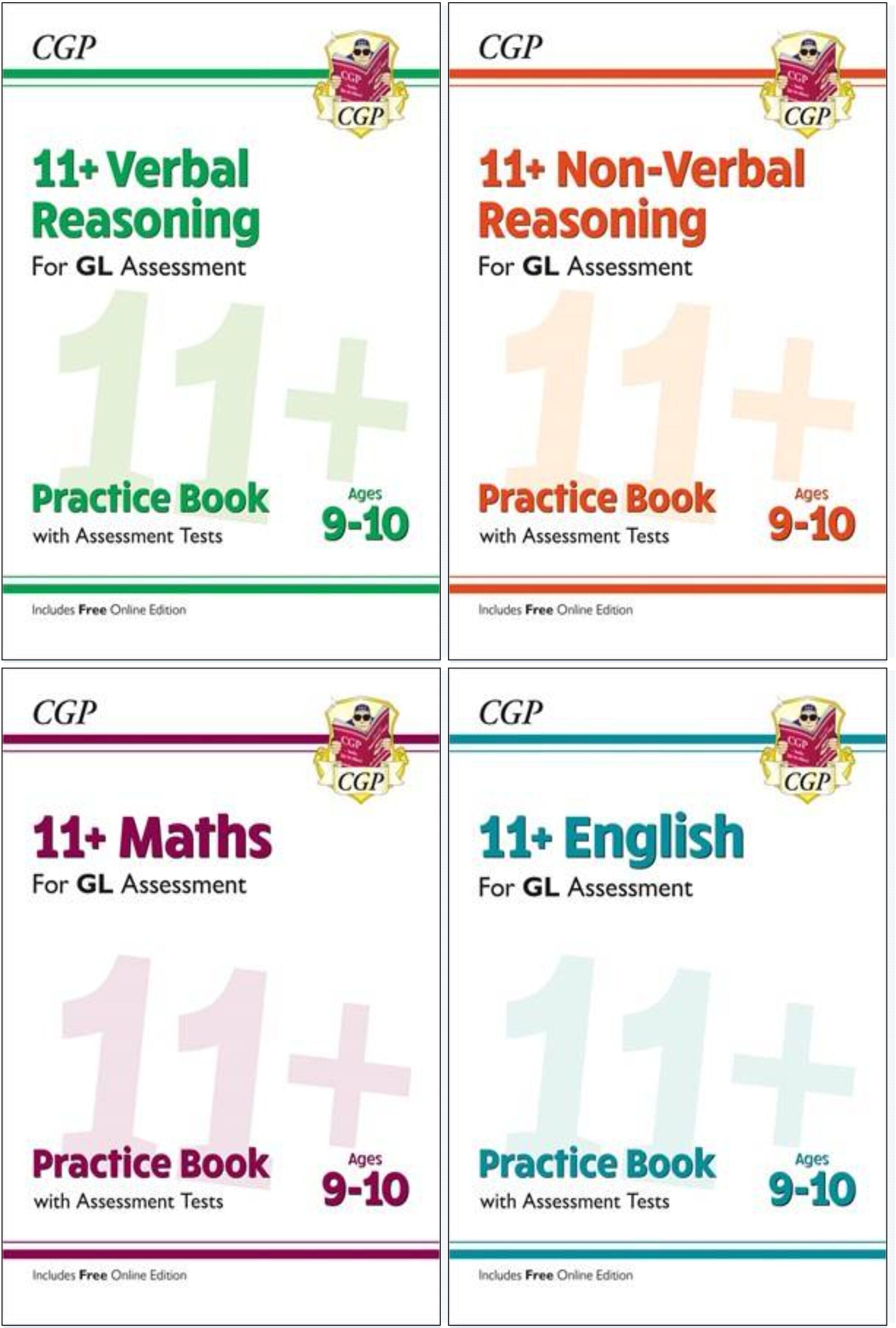
CGP 11+ Practice Book and Assessment Tests Bundle (for GL Assessment) 4 Books Set - Ages 9-10 - Paperback (Includes Free Online Edition) Coordination Group Publications Ltd (CGP)Titles in this Set: 1. 11+ GL Verbal Reasoning Practice Book & Assessment Tests 2. 11+ GL Non-Verbal Reasoning Practice Book & Assessment Tests 3. 11+ GL Maths Practice Book & Assessment Tests 4. 11+ GL English Practice Book & Assessment Tests Description: 11+ GL Verbal Reasoning Practice Book & Assessment Tests Ideal for building up the Verbal Reasoning skills children will need for the 11+ (and other selective entrance exams), this book is packed with targeted practice questions for ages 9-10. The first section of the book focuses on one topic at a time to help children gain understanding and confidence. This is followed by seven Assessment Tests to improve their speed and accuracy across a wide range of questions. And if they get stuck or go wrong, the detailed answers at the back of the book make it easy to understand the reasoning behind the questions. 11+ GL Non-Verbal Reasoning Practice Book & Assessment Tests Ideal for building the key skills children need for 11+ Non-Verbal Reasoning (and other selective entrance exams), this book contains a wide range of practice questions set at a level that’s perfect for ages 9-10. The first section of the book focuses on one topic at a time to help children gain understanding and confidence. This is followed by a selection of Assessment Tests to improve pupils' speed and accuracy across a wide range of questions. And if they get stuck or go wrong, the detailed answers at the back of the book make it easy to understand the reasoning behind the questions. 11+ GL Maths Practice Book & Assessment Tests This book is brimming with Maths questions (with fully explained answers) for ages 9-10 – it's a fantastic resource for helping children work towards the 11+. The first section of the book focuses on one topic at a time to help children gain understanding and confidence, followed by realistic Assessment Tests to improve their speed and accuracy across a wide range of questions. This book is ideal for the 11+ tests set by GL Assessment and other test providers, and provides excellent practice for the Kent Test. 11+ GL English Practice Book & Assessment Tests This Practice Book is an excellent resource for helping children work towards the 11+ English test and other selective entrance exams. It’s full of questions set at a level that’s typically suitable for ages 9-10. The first section of the book focuses on one topic at a time to help children gain understanding and confidence. This is followed by six Assessment Tests to improve their speed and accuracy across a wide range of questions. And if they get stuck or go wrong, the detailed answers at the back of the book make it easy to understand the reasoning behind the questions.27,99 £*Shipping: 2,99 £Secure redirect to the provider
-
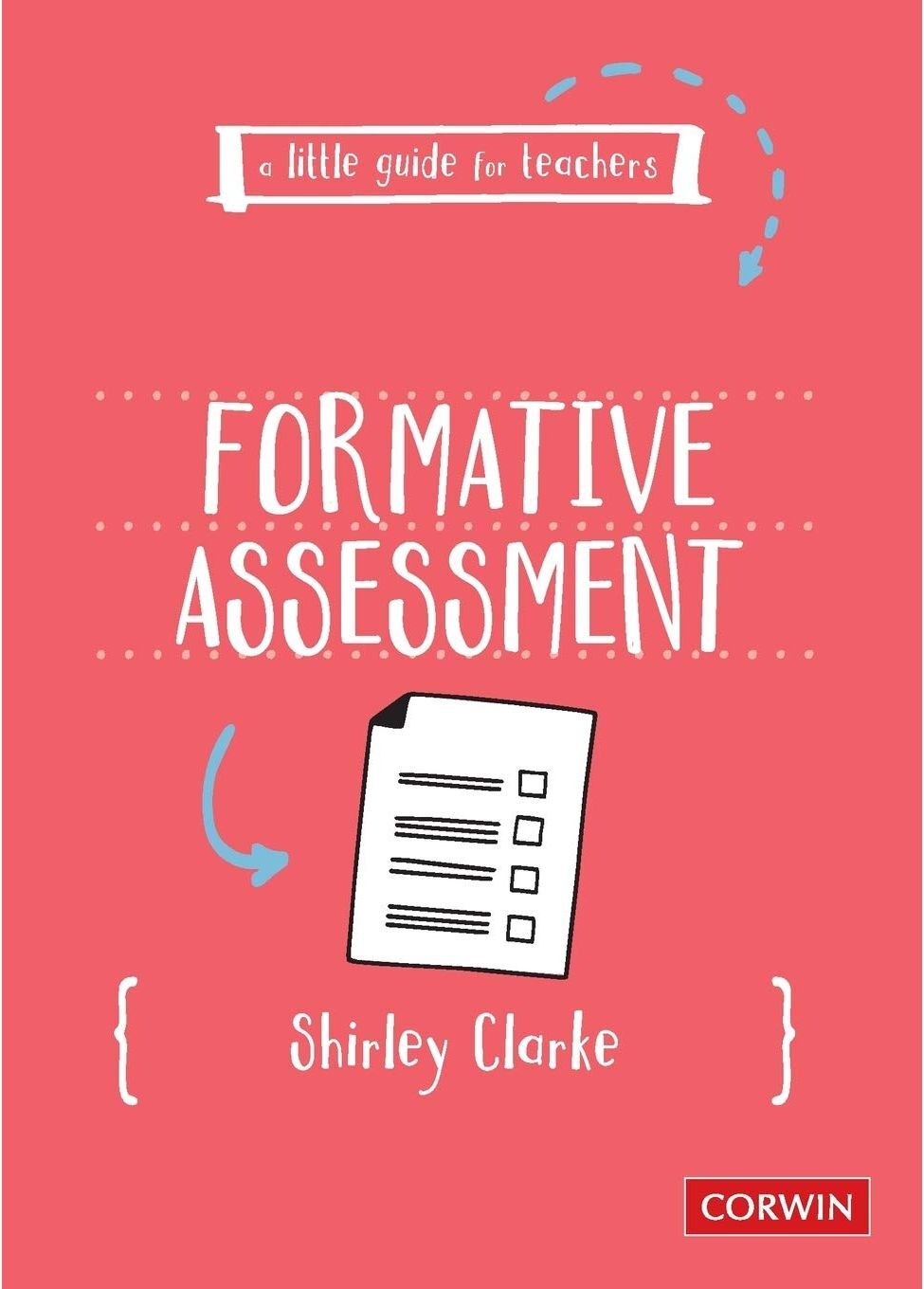
SAGE Publications A Little Guide for Teachers: Formative Assessment (A Little Guide for Teachers)Bridging the gap between research and practice A Little Guide for Teachers: Formative Assessment gives teachers practical tried and tested strategies to put formative assessment into action in their classrooms. The Little Guide for Teachers series is little in size but BIG on all the support and inspiration you need to navigate your day to day life as a teacher. · Authored by experts in the field · Easy to dip in-and-out of · Interactive activities encourage you to write into the book and make it your own · Fun engaging illustrations throughout · Read in an afternoon or take as long as you like with it!12,99 £*Shipping: 2,99 £Secure redirect to the provider
-
What is the normalization of database anomalies?
Normalization of database anomalies is the process of organizing data in a database in such a way that it reduces redundancy and dependency. This helps in improving data integrity and consistency by minimizing the chances of anomalies such as insertion, update, and deletion anomalies. By breaking down data into smaller, manageable tables and establishing relationships between them, normalization ensures that data is stored efficiently and accurately. Overall, normalization helps in maintaining data quality and making the database more robust and reliable. **
-
What is the normalization of a database?
Normalization is the process of organizing data in a database to reduce redundancy and dependency. It involves breaking down a database into smaller, more manageable tables and establishing relationships between them. The goal of normalization is to minimize data duplication and ensure data integrity, making it easier to update and maintain the database. This process typically involves creating primary and foreign keys to link related tables and removing any repeating groups of data. **
-
What is SQL query 2?
SQL query 2 is a structured query language statement used to retrieve data from a database. It typically includes keywords such as SELECT, FROM, WHERE, and ORDER BY to specify the data to be retrieved, the table from which to retrieve it, any conditions that must be met, and the order in which the data should be presented. SQL query 2 can be customized to filter, sort, and manipulate data according to specific requirements. **
-
How can I query data from a MySQL database using Java?
To query data from a MySQL database using Java, you can use the JDBC (Java Database Connectivity) API. First, you need to establish a connection to the MySQL database using the DriverManager class and provide the database URL, username, and password. Then, you can create a Statement or PreparedStatement object to execute SQL queries such as SELECT statements to retrieve data from the database. After executing the query, you can process the ResultSet object to retrieve the data returned by the query. Finally, remember to close the connection and resources after you are done querying the database. **
* All prices are inclusive of VAT and, if applicable, plus shipping costs. The offer information is based on the details provided by the respective shop and is updated through automated processes. Real-time updates do not occur, so deviations can occur in individual cases. ** Note: Parts of this content were created by AI.